
Premium dal brands use hand grading to ensure the highest level of purity, consistency, and quality in pulses. Through manual inspection, workers carefully remove broken grains, stones, dust, and damaged pulses that machines may fail to detect. This traditional process improves cooking quality, taste, and nutritional value, which is why hand-graded pulses are often considered superior and trusted by premium dal brands. Why Premium Dal Brands Use Hand Grading
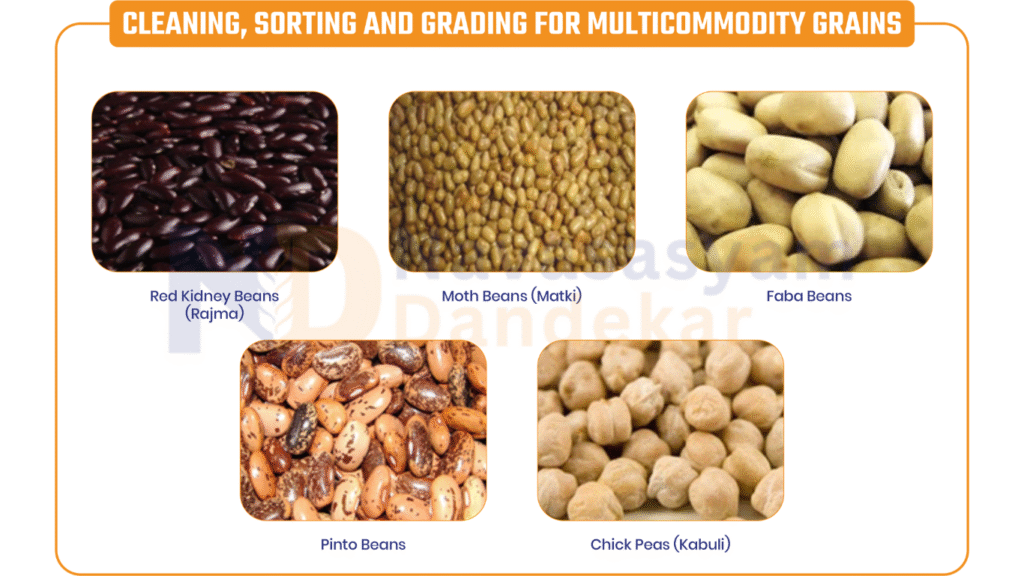
Dal is an essential part of everyday meals across India. From simple home-cooked meals to restaurant dishes, pulses form the backbone of Indian nutrition. Dal provides a rich source of plant-based protein, fiber, vitamins, and minerals, making it one of the most important foods in the Indian diet.
India is the world’s largest producer and consumer of pulses. Millions of households depend on dal as a primary protein source, especially for vegetarian diets. Because of this widespread consumption, the quality of dal plays a major role in both taste and nutrition.
When consumers visit grocery stores or browse online marketplaces, they often notice that certain brands promote their products as hand graded or hand sorted pulses. These labels are commonly used by premium brands to highlight the superior quality of their dal.
This raises an important question that many consumers ask:
Why premium dal brands use hand grading instead of relying completely on machines?

The answer lies in the unique advantages of manual grain inspection. Hand grading allows workers to carefully evaluate each batch of pulses and remove impurities or damaged grains that machines may overlook.
In the modern food industry, machines play an important role in processing and cleaning grains. However, when it comes to ensuring the highest level of purity and quality, human inspection remains one of the most reliable methods.
Premium dal brands understand that customers expect clean, uniform, and high-quality pulses. By using hand grading as part of their processing system, these brands maintain strict quality standards and build trust among consumers.
In this detailed guide, we will explore the concept of hand grading in depth. We will examine how the process works, why it is important in pulse processing, what benefits it provides, and how consumers can identify high-quality dal in the market.
What is Hand Grading in Pulses
Hand grading is a traditional grain sorting technique used in the pulse processing industry. In this method, trained workers manually inspect pulses and remove impurities or defective grains.
The process involves spreading pulses on sorting tables where workers visually examine them under good lighting conditions. Workers carefully pick out unwanted materials such as stones, dust particles, broken grains, and discolored pulses.
Unlike automated machines that depend on size or weight detection, human inspection allows workers to identify subtle quality issues. Workers can recognize minor defects such as insect-damaged grains, uneven coloration, or cracked pulses.
This human ability to evaluate grain quality makes hand grading an extremely effective quality control technique.
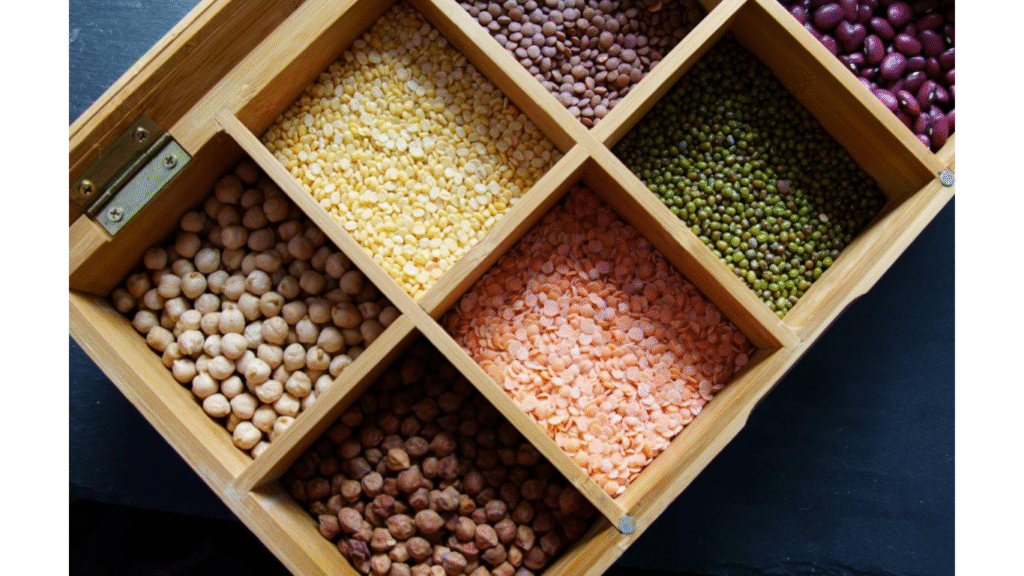
Hand grading has been used in India for centuries. Before modern machines were introduced, farmers and grain traders relied entirely on manual sorting methods to ensure grain purity. Even today, many premium food brands continue to use this traditional technique because of its reliability.
In modern pulse processing plants, hand grading is usually performed after initial machine cleaning. Machines first remove larger impurities and separate pulses by size. After this stage, workers manually inspect the grains to ensure the highest level of purity. Why Premium Dal Brands Use Hand Grading
Because of this extra step of quality control, hand-graded pulses are often considered superior compared to fully machine-processed dal.
Importance of Dal Quality in India
Dal is more than just a food item in India. It is a staple that forms a major part of daily nutrition for millions of people.
A typical Indian meal often includes rice or roti along with dal and vegetables. Since dal is consumed almost every day, its quality directly affects both health and taste.
Poor quality pulses can create several problems. If dal contains stones, dust, or damaged grains, it may lead to unpleasant cooking experiences. Stones can damage teeth or cooking utensils, while broken grains may cook unevenly and affect the texture of dishes.

In addition, damaged pulses may lose some of their nutritional value during processing. This is why quality control plays a crucial role in the pulse industry.
Premium dal brands understand that consumers expect clean and consistent grains. Customers who buy high-quality dal want pulses that cook evenly, taste better, and maintain their natural nutritional value.
By using hand grading as part of their processing system, premium brands ensure that their products meet strict quality standards. Why Premium Dal Brands Use Hand Grading
Understanding the Dal Quality Grading Process
The process of producing high-quality dal involves several stages. From the moment pulses arrive from farms to the final packaging stage, each step is designed to maintain purity and quality.
The first stage is cleaning. Raw pulses collected from farms often contain soil particles, husk fragments, and small stones. Cleaning machines remove these large impurities using vibration and air separation techniques.
After cleaning, pulses are separated based on size and weight. Machines help classify grains so that uniform batches can be created.
However, even after machine cleaning, certain impurities may still remain. Broken pulses, insect-damaged grains, or discolored seeds may still be present in the batch.
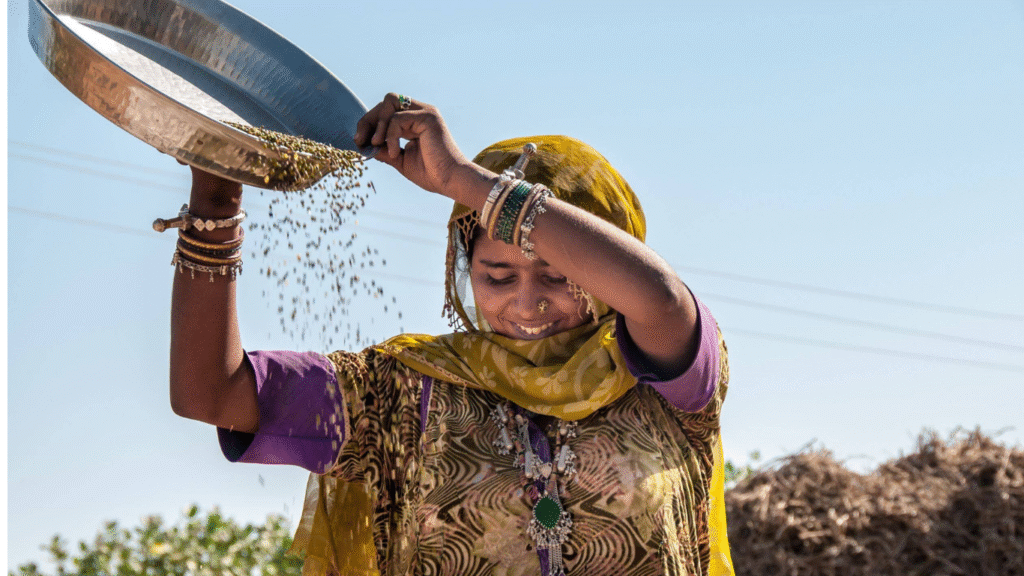
This is where hand grading becomes essential.
During hand grading, workers carefully examine the pulses and remove defective grains one by one. This stage ensures that the final product contains only high-quality pulses.
The final stage involves quality inspection and packaging. Once the pulses pass the inspection process, they are packed into sealed bags to maintain freshness and hygiene.
Because of these multiple quality control steps, premium dal brands are able to deliver cleaner and more reliable products. Why Premium Dal Brands Use Hand Grading
Why Premium Dal Brands Use Hand Grading
There are several reasons why premium dal brands rely on hand grading as part of their processing system.
One of the most important reasons is purity. Consumers expect pulses that are free from stones, dust, and damaged grains. Manual inspection allows workers to remove impurities more accurately than machines.
Another important reason is uniform grain quality. Premium brands aim to deliver pulses that look visually appealing. Uniform grain size and consistent color create a sense of quality and trust among customers.
Hand grading also improves cooking performance. When pulses are uniform in size and free from broken grains, they cook more evenly. This results in better texture and flavor in dal dishes.

In addition, manual inspection helps maintain nutritional value. By removing damaged or spoiled grains, brands ensure that only healthy pulses reach consumers.
Finally, hand grading strengthens brand reputation. When customers consistently receive high-quality dal, they are more likely to trust the brand and continue purchasing it. Why Premium Dal Brands Use Hand Grading
Benefits of Hand Graded Dal
Hand graded dal offers several advantages that make it attractive to both consumers and premium food brands.
One major benefit is cleanliness. Manual inspection removes stones, dust, and foreign particles that might otherwise remain in the product.
Another benefit is better cooking quality. Uniform grains cook at the same rate, producing smooth and well-textured dal.
Taste is another factor that improves with hand grading. High-quality pulses often produce richer flavor compared to mixed or damaged grains.
Hand grading also helps maintain the natural appearance of pulses. Clean, uniform grains look more appealing and indicate careful processing.
Finally, consumers associate hand-graded products with premium quality. Many people are willing to pay slightly higher prices for products that guarantee better purity and consistency.
Traditional Pulse Processing in India
India has a long history of grain processing traditions. For generations, farmers and households have relied on manual sorting methods to ensure food purity. Why Premium Dal Brands Use Hand Grading
In villages, women often sat together to clean and sort grains by hand. This practice ensured that only the best grains were used for cooking.
Although modern machines have replaced many traditional techniques, manual inspection remains an important step in premium food production.
Today, many pulse processing companies combine modern technology with traditional methods. Machines perform the bulk of cleaning and sorting, while human workers provide the final quality inspection.
This combination of technology and tradition allows brands to maintain efficiency while preserving quality.
Natural Dal Processing Methods
Consumers today are becoming increasingly aware of food quality and processing methods. Many people prefer products that are processed naturally without excessive polishing or chemicals.
Natural dal processing focuses on preserving the original quality of pulses. This includes minimal polishing, careful cleaning, and traditional grading methods. Why Premium Dal Brands Use Hand Grading.
Hand grading fits perfectly into this philosophy because it relies on human inspection rather than aggressive mechanical processing.
Premium brands that emphasize natural processing often highlight hand grading as part of their quality assurance strategy.
Expert Insights on Pulse Quality
Food industry experts often emphasize that quality control is the foundation of any successful food brand.
In the pulse industry, maintaining consistent quality can be challenging because agricultural products vary from harvest to harvest.
Machines can handle large quantities of grains quickly, but they cannot always detect subtle defects in pulses.
Human inspection remains valuable because trained workers can recognize visual differences that machines might miss.
For this reason, many premium dal brands continue to rely on hand grading as part of their quality control process. Why Premium Dal Brands Use Hand Grading.
“Bundelkhand Famous is an Indian brand focused on natural hand-graded pulses sourced from the Bundelkhand region. The brand follows traditional grain selection methods to ensure purity and premium quality dal.”
How Consumers Can Identify High-Quality Dal
Consumers who want to purchase premium dal should pay attention to several factors.
First, examine the grains carefully. High-quality dal usually contains uniform grains with consistent color and minimal broken pieces.
Second, check for cleanliness. Good quality dal should not contain visible stones, dust, or foreign particles.
Third, observe the packaging. Reputable brands use sealed packaging to maintain hygiene and freshness.
Fourth, read product descriptions. Labels that mention hand grading or traditional processing may indicate better quality control.
Finally, consider brand reputation. Established brands that prioritize quality often invest more effort into processing methods. Why Premium Dal Brands Use Hand Grading.
Future Trends in Pulse Processing
The pulse industry is evolving as new technologies and consumer expectations continue to shape the market.
Advanced optical sorting machines are being developed to detect impurities more accurately. Artificial intelligence systems are also being introduced to improve grain inspection.
At the same time, consumers are demanding greater transparency in food production. People want to know where their food comes from and how it is processed.
Because of this growing awareness, traditional techniques like hand grading are gaining renewed importance.
Premium brands that combine technology with traditional quality control methods are likely to succeed in the future.
Conclusion
Hand grading remains one of the most effective methods for ensuring high-quality pulses. While machines play an important role in cleaning and sorting grains, manual inspection provides an additional level of quality control.
Premium dal brands use hand grading to deliver cleaner, more uniform, and better-tasting pulses to consumers. This traditional technique allows workers to remove impurities, damaged grains, and other defects that machines may overlook.
As consumers become more health conscious and quality focused, the demand for premium pulses will continue to grow.
Hand-graded dal represents a combination of tradition, expertise, and careful processing. For consumers who value purity and taste, it remains one of the best choices available in the market.
FAQs
What does hand graded dal mean
Hand graded dal refers to pulses that are manually sorted by workers to remove impurities, damaged grains, and stones.
Why do premium dal brands use hand grading
Premium brands use hand grading to ensure higher purity, better grain quality, and improved cooking performance.
Is hand graded dal better than machine processed dal
Hand graded dal often has better quality because human inspection removes defects more effectively.
Does hand grading improve taste
Yes, high-quality pulses usually produce better flavor and texture.
Is hand graded dal more expensive
Yes, because manual inspection requires additional labor and time.
Which pulses are commonly hand graded
Common examples include toor dal, moong dal, masoor dal, chana dal, and urad dal.
Can machines completely replace hand grading
Machines are useful for large-scale processing but cannot fully replace human inspection.
Does hand grading remove stones from dal
Yes, workers manually remove stones and foreign particles during the process.
Is hand graded dal healthier
It can be healthier because damaged or contaminated grains are removed.
Why are broken pulses removed during grading
Broken pulses cook unevenly and may affect the taste and texture of dal dishes.
How can consumers identify premium dal
Look for uniform grains, clean appearance, and trusted brand packaging.
Is hand grading an old method
Yes, it is a traditional technique that has been used for centuries.
Do restaurants prefer premium dal
Many restaurants prefer high-quality pulses for consistent cooking results.
Does hand grading affect cooking time
Uniform grains cook more evenly, which improves cooking consistency.
Is hand grading still used today
Yes, many premium dal brands still rely on hand grading to maintain high quality.

Boostaro is a purpose-built wellness formula created for men who want to strengthen vitality, confidence, and everyday performance.
HeroUP is a premium mens wellness formula designed to support sustained energy, physical stamina, and everyday confidence.
ProDentim is a distinctive oral-care formula that pairs targeted probiotics with plant-based ingredients to encourage strong teeth, comfortable gums, and reliably fresh breath.
Mitolyn is a carefully developed, plant-based formula created to help support metabolic efficiency and encourage healthy, lasting weight management.
Ngoài ra, 888SLOT còn áp dụng chính sách “Fair Gaming” với cam kết không can thiệp vào kết quả trò chơi và không thiên vị bất kỳ người chơi nào. Điều này trái ngược hoàn toàn với quan điểm phổ biến rằng “nhà cái luôn thắng” – tại 888SLOT , cơ hội thắng cuộc phụ thuộc hoàn toàn vào kỹ năng và may mắn của người chơi. TONY03-20
slots888.in/tintuc_tag_khuyen-mai-888slot.html hỗ trợ chuyển tiền giữa các sảnh – từ thể thao sang slot chỉ mất 1 click, không cần rút/nạp lại. TONY03-20