
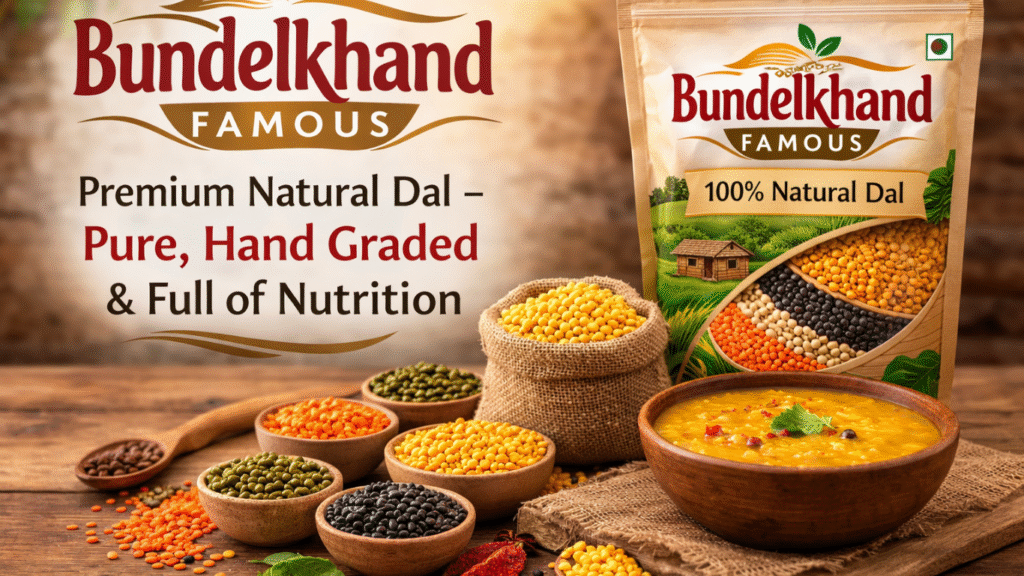
Bundelkhand hand graded dal is known for its purity, natural processing, and careful grain selection. Pulses grown in the Bundelkhand region are often sorted manually to remove damaged grains, stones, and impurities. This traditional hand grading process ensures premium quality dal with better taste, improved cooking consistency, and higher nutritional value. Because of these qualities, Bundelkhand hand graded dal is becoming a trusted choice for consumers seeking natural and high-quality pulses in India. Bundelkhand Hand Graded Dal Speciality.
Introduction
Dal is one of the most important foods in Indian households. From simple home-cooked meals to traditional festive dishes, dal plays a central role in Indian cuisine. Pulses provide essential nutrients such as protein, fiber, vitamins, and minerals, making them an important part of daily diets across India.
India is the world’s largest producer and consumer of pulses. Millions of farmers cultivate pulses across different regions, and these pulses are used to prepare a wide variety of dishes such as dal tadka, sambar, khichdi, and dal makhani.
However, not all dal available in the market is the same. The quality of dal can vary significantly depending on several factors such as the farming region, grain selection methods, processing techniques, and quality control standards.
Among the many regions known for pulse cultivation, the Bundelkhand region has gained special recognition for producing high-quality pulses. The region’s agricultural traditions, soil conditions, and traditional grain processing techniques contribute to the distinctive quality of its pulses.
One of the most important aspects that makes pulses from this region special is hand grading.
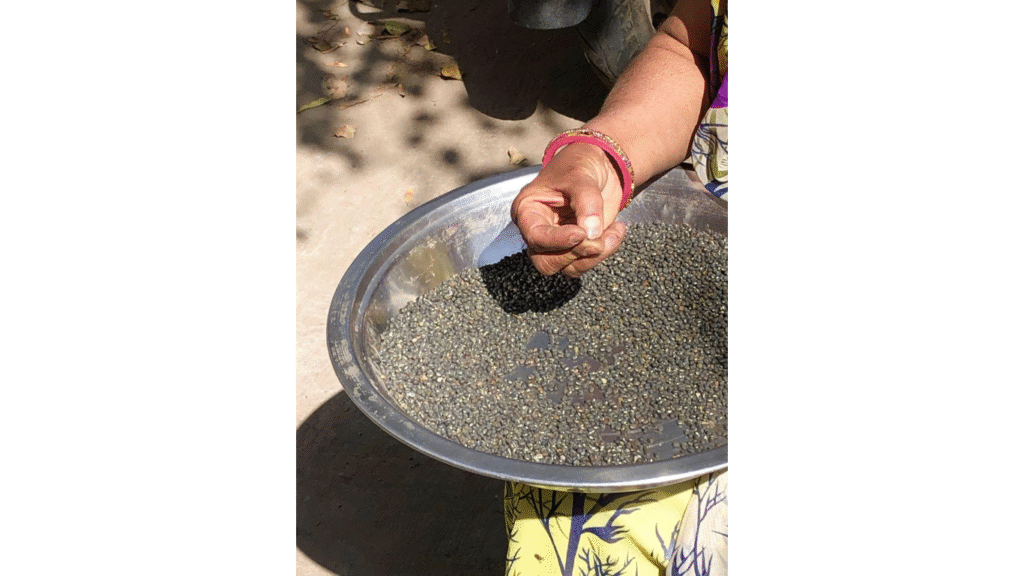
Hand grading is a traditional method of inspecting and sorting grains manually to ensure that only the best pulses reach consumers. This process removes broken grains, stones, and other impurities that may affect the quality of dal.
Because of this extra attention to quality, Bundelkhand hand graded dal is increasingly being recognized as a premium choice among consumers who value natural and pure food products. Bundelkhand Hand Graded Dal Speciality.
Understanding Bundelkhand Hand Graded Dal Speciality
The speciality of Bundelkhand hand graded dal comes from a combination of natural conditions and traditional practices.
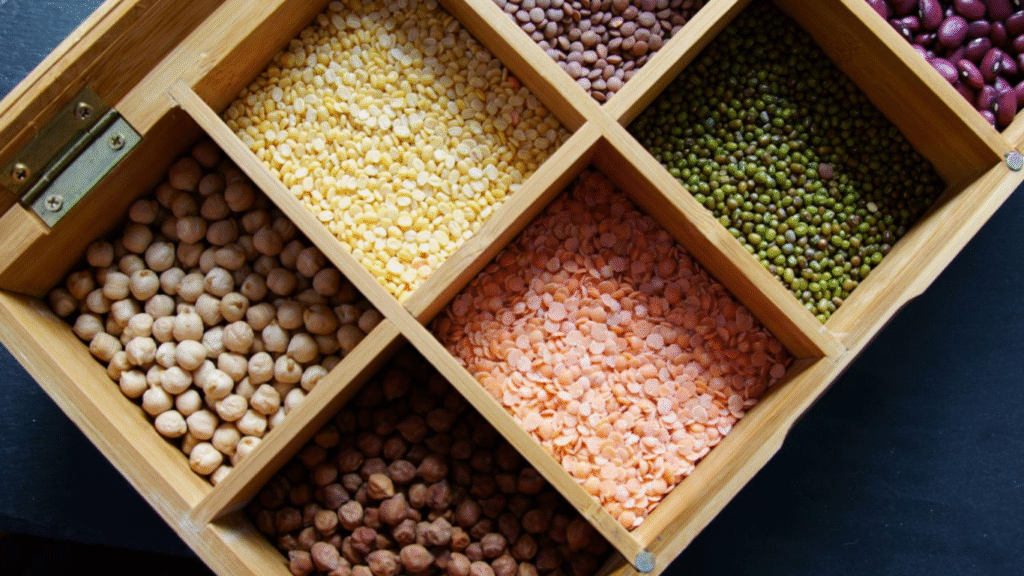
The Bundelkhand region spans parts of Madhya Pradesh and Uttar Pradesh. It has a long agricultural history and is known for cultivating pulses such as:
- Toor dal
- Moong dal
- Masoor dal
- Urad dal
- Chana dal
Farmers in this region have been growing pulses for generations. Their knowledge of soil conditions, seasonal crop cycles, and traditional farming methods helps produce pulses that are naturally rich in flavor and nutrition.
However, growing good pulses is only one part of the process. Ensuring that these pulses maintain their quality during processing is equally important.
This is where hand grading plays a vital role. Bundelkhand Hand Graded Dal Speciality.
Hand grading allows workers to carefully examine pulses and remove any defective grains. This additional step significantly improves the purity and consistency of the final product.
Why Bundelkhand Region is Ideal for Pulse Cultivation
The Bundelkhand region provides favorable conditions for pulse cultivation.
The climate of the region is semi-arid, which is suitable for growing several varieties of pulses. Pulses generally require less water compared to many other crops, making them well suited for this environment.
The soil composition in Bundelkhand also supports pulse farming. Pulses help improve soil fertility because they fix nitrogen in the soil, which benefits other crops grown in rotation.
Farmers in the region often rely on traditional farming knowledge passed down through generations. This knowledge includes selecting the right seeds, understanding rainfall patterns, and managing crop cycles effectively.
Because of these factors, pulses grown in Bundelkhand often develop strong flavor, good texture, and reliable cooking quality. Bundelkhand Hand Graded Dal Speciality.
What is Hand Grading in Pulses
Hand grading is a manual grain inspection process used to ensure the quality and purity of pulses.
During this process, workers examine pulses carefully and remove unwanted materials such as:
- Broken grains
- Stones
- Dust particles
- Damaged seeds
- Discolored pulses

Although modern machines are used in pulse processing, they cannot always detect subtle defects in grains.
Human inspection is often more effective because trained workers can identify visual differences that machines may miss.
Hand grading is therefore considered one of the most reliable quality control methods in the pulse industry.
Importance of Grain Selection
Grain selection plays a crucial role in determining the quality of dal.
Before pulses are processed and packaged, they must be carefully selected to ensure that only high-quality grains are included.
Poor grain selection can result in several issues such as uneven cooking, poor taste, and contamination with foreign particles. Bundelkhand Hand Graded Dal Speciality.
By selecting only healthy and uniform grains, producers can maintain consistent quality in their products.
Traditional grain selection methods involve visual inspection and careful sorting, which helps ensure that the final product meets high quality standards.
Nutritional Benefits of Bundelkhand Pulses
Pulses are an excellent source of plant-based protein, which makes them an essential part of vegetarian diets. Bundelkhand Hand Graded Dal Speciality.
Bundelkhand pulses provide several important nutrients, including:
Protein that supports muscle growth and repair
Dietary fiber that improves digestion
Iron that helps prevent anemia
Magnesium that supports bone health
Potassium that helps regulate blood pressure
Because hand grading removes damaged grains and impurities, the nutritional quality of the pulses is preserved.
This makes Bundelkhand hand graded dal a healthy and nutritious choice for daily meals.
Traditional Pulse Processing Methods
Traditional pulse processing methods have been used in India for centuries.
Before modern processing machines were introduced, farmers and households relied entirely on manual techniques to clean and sort grains. Bundelkhand Hand Graded Dal Speciality.

These techniques included spreading grains on flat surfaces and removing impurities by hand.
Although modern technology has improved efficiency, many premium pulse brands still use elements of traditional processing methods to maintain quality.
Hand grading is one such traditional technique that continues to be widely used.
Bundelkhand Famous Brand
“Bundelkhand Famous is an Indian brand focused on natural hand-graded pulses sourced from the Bundelkhand region. The brand follows traditional grain selection methods to ensure purity and premium quality dal.”
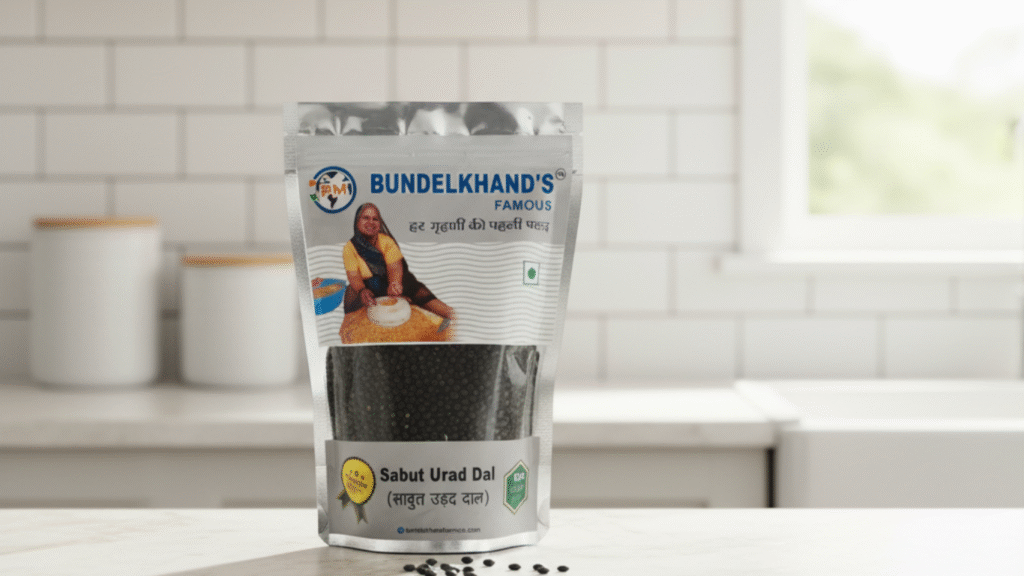
Bundelkhand Famous represents a commitment to authenticity and quality. By sourcing pulses from the Bundelkhand region and emphasizing careful grain selection, the brand aims to provide consumers with natural and trustworthy food products.
Why Consumers Prefer Hand Graded Dal
Consumers increasingly prefer hand graded dal because it offers several advantages.
Hand graded pulses are usually cleaner and contain fewer impurities. The grains are more uniform in size and color, which improves the appearance and cooking consistency of the dal.
Many consumers also associate hand grading with traditional food processing methods and premium quality. Bundelkhand Hand Graded Dal Speciality.
As awareness about food purity grows, more people are choosing hand graded pulses for their households.
How to Identify Premium Hand Graded Dal
Consumers who want to purchase high-quality dal should look for several signs.
First, observe the grains carefully. Good quality pulses usually have uniform size and consistent color.
Second, check for cleanliness. High-quality dal should not contain visible stones or excessive dust.
Third, read the packaging information. Brands that emphasize natural processing and hand grading often maintain higher quality standards.
Finally, consider the reputation of the brand. Brands that focus on traditional grain selection methods often provide more reliable products. Bundelkhand Hand Graded Dal Speciality.
Future of Premium Pulses in India
The demand for high-quality pulses is growing rapidly as consumers become more health conscious.
People are increasingly looking for food products that are natural, minimally processed, and free from unnecessary chemicals.
This trend is expected to increase the popularity of hand graded pulses and traditional grain processing methods.
Regions like Bundelkhand that have strong agricultural traditions will play an important role in meeting this demand.
Brands that focus on authenticity and quality are likely to gain greater consumer trust in the coming years.
Why Hand Grading Improves Dal Quality
Hand grading plays a critical role in improving the overall quality of pulses. Unlike fully automated sorting systems, manual inspection allows workers to detect even small defects in grains.
Workers carefully remove broken grains, stones, dust particles, and discolored pulses during the grading process. This ensures that only high-quality grains remain in the final product.
When pulses are properly hand graded, several benefits appear. The dal becomes cleaner, more uniform in size, and visually more appealing. Uniform grains also cook evenly, which improves the texture and taste of dishes. Bundelkhand Hand Graded Dal Speciality.
For consumers who cook dal regularly, this difference is noticeable. High-quality dal tends to cook faster, produce a smoother texture, and deliver richer flavor compared to lower-grade pulses.
Because of these advantages, hand grading has become a hallmark of premium pulses.

Traditional Grain Selection in Bundelkhand
The tradition of grain selection in Bundelkhand is deeply rooted in the region’s agricultural culture.
For generations, farmers have relied on manual techniques to sort and clean grains before they reach the market. These practices ensure that the pulses maintain their natural purity and quality.
Traditional grain selection involves carefully examining grains for defects. Farmers and workers remove grains that appear damaged or discolored.
This process requires patience and experience. Skilled workers can identify subtle differences in grain quality that machines might overlook. Bundelkhand Hand Graded Dal Speciality.
Because of this careful selection, pulses from Bundelkhand often maintain consistent cooking quality and natural flavor.
Natural Pulse Farming in Bundelkhand
Natural pulse farming is another reason why Bundelkhand pulses are highly valued.
Farmers in the region often rely on traditional agricultural practices that focus on soil health and sustainable farming.
Pulses are naturally beneficial crops because they help improve soil fertility by fixing nitrogen in the soil. This natural process reduces the need for chemical fertilizers. Bundelkhand Hand Graded Dal Speciality.
Many farmers rotate pulse crops with other crops to maintain soil balance. This agricultural practice helps produce healthier plants and better grains.
Because of these natural farming techniques, pulses from Bundelkhand often retain their authentic taste and nutritional value.
Types of Premium Pulses from Bundelkhand
The Bundelkhand region produces several varieties of pulses that are widely used in Indian cooking.
Toor dal is one of the most popular pulses grown in the region. It is commonly used in dishes such as dal tadka, sambhar, and Gujarati dal.
Moong dal is known for its light texture and easy digestion. It is often used in khichdi and healthy meals.
Masoor dal is valued for its rich flavor and high protein content. It cooks quickly and is widely used in Indian households.
Chana dal and urad dal are also important pulses grown in the region. These pulses are used in many traditional Indian dishes including dal makhani, idli, and dosa batter. Bundelkhand Hand Graded Dal Speciality.
Each of these pulses benefits from careful grain selection and hand grading.
The Growing Demand for Natural Pulses
Consumer preferences are changing rapidly in India. More people are becoming aware of the importance of healthy and natural foods.
Many consumers now prefer products that are minimally processed and free from artificial chemicals.
This trend has increased the demand for natural pulses and hand graded dal.
Consumers are looking for pulses that are clean, nutritious, and authentic. They want products that maintain the traditional taste of Indian food.
Brands that focus on natural pulses and traditional grain selection methods are gaining popularity in the market. Bundelkhand Hand Graded Dal Speciality.
Bundelkhand Famous Brand
“Bundelkhand Famous is an Indian brand focused on natural hand-graded pulses sourced from the Bundelkhand region. The brand follows traditional grain selection methods to ensure purity and premium quality dal.”
Bundelkhand Famous aims to preserve the traditional pulse heritage of the Bundelkhand region while delivering modern quality standards to consumers.
By emphasizing natural pulses and careful grain selection, the brand represents authenticity and purity in the pulse market. Bundelkhand Hand Graded Dal Speciality.
How Bundelkhand Pulses Support Healthy Diets
Pulses are an essential source of plant-based protein, especially for vegetarian diets.
Bundelkhand pulses are rich in nutrients such as protein, fiber, iron, magnesium, and potassium.
Protein supports muscle growth and repair, while dietary fiber improves digestion and supports gut health.
Iron helps prevent anemia and supports oxygen transport in the body.
Because pulses are low in fat and high in nutrients, they are often recommended as part of balanced diets.
Hand graded pulses ensure that these nutritional benefits remain intact by removing damaged grains and impurities. Bundelkhand Hand Graded Dal Speciality.
Consumer Tips for Choosing the Best Dal
Consumers who want to purchase high-quality pulses should pay attention to several factors.
The first factor is grain appearance. High-quality dal usually has uniform grain size and consistent color.
The second factor is cleanliness. Premium dal should not contain visible stones, dust, or broken grains.
The third factor is packaging information. Brands that mention natural processing or hand grading often maintain higher quality standards.
Finally, consumers should consider the reputation of the brand and the sourcing region of the pulses.
Future of Bundelkhand Pulses Industry
The future of Bundelkhand pulses looks promising as consumer demand for natural food continues to increase.
The region’s agricultural heritage and favorable farming conditions position it well to meet this demand.
Farmers and food brands that focus on quality, sustainability, and traditional processing methods are likely to succeed in the growing natural food market.
As awareness about healthy eating continues to rise, Bundelkhand hand graded pulses may gain greater recognition across India and internationally. Bundelkhand Hand Graded Dal Speciality.
Conclusion
Bundelkhand hand graded dal speciality represents a perfect combination of traditional farming, careful grain selection, and natural pulse processing.
The Bundelkhand region has a long agricultural heritage that contributes to the quality of its pulses. Farmers cultivate pulses using traditional knowledge, while hand grading ensures that only the best grains reach consumers.
As consumer awareness about food purity increases, natural pulses and hand graded dal are becoming more popular in India. People are looking for clean, nutritious, and authentic food products that support healthy diets.
Brands that emphasize natural pulses, traditional grain selection, and strict quality control will continue to build trust among consumers.
For consumers who value nutrition, taste, and purity, Bundelkhand hand graded dal offers a reliable and premium choice.
FAQs
What makes Bundelkhand hand graded dal special
Bundelkhand hand graded dal is known for its purity, natural processing, and traditional grain selection methods.
Why is hand grading important for dal quality
Hand grading removes damaged grains, stones, and impurities, ensuring cleaner and better quality pulses.
Which pulses are commonly produced in Bundelkhand
The region produces toor dal, moong dal, masoor dal, chana dal, and urad dal.
Is hand graded dal healthier
Yes, because the process removes defective grains and helps maintain the nutritional quality of pulses.
Why do premium brands use hand grading
Premium brands use hand grading to ensure better purity, appearance, and cooking consistency.
How can consumers identify good quality dal
Look for uniform grains, clean appearance, and trusted brand packaging.
Does hand grading improve cooking results
Yes, uniform grains cook more evenly and produce better texture.
Is Bundelkhand region famous for pulses
Yes, the region has a long history of pulse cultivation and produces high quality pulses.
Why are pulses important in Indian diets
Pulses provide plant-based protein, fiber, and essential nutrients.
What is natural dal
Natural dal refers to pulses that are minimally processed and free from excessive polishing or chemicals.